
 Raise Cleaning Standards across Aotearoa with Tailored Safety Protocols
A high cleaning standard does not start with mops, machines or chemicals. It starts with safety.
For commercial and industrial sites across New Zealand, cleaning outcomes depend on more than effort alone. The best results come from teams who understand the environment, recognise the risks, and follow the right process for that site. When safety protocols are tailored to the workplace, cleaning becomes more consistent, more efficient and far more reliable.
That matters because no two sites operate the same way. A corporate office, a warehouse, a food production plant and a specialist manufacturing facility all carry different risks. They also demand different controls. A generic approach may look fine on paper, but it often falls short in practice.
This article looks at why site-specific safety protocols matter, how training supports safer delivery, and why strong health and safety systems lead to better service quality. It also explains how AMC Commercial Cleaning applies proactive risk management and compliance controls in daily operations across the country.
Why safety and cleaning standards are closely linked
Health and safety is often treated as a separate requirement. In reality, it is built into every part of a well-run cleaning service.
When a team understands the site, uses the right equipment and follows the correct procedures, the work is more controlled from the start. There are fewer mistakes, less disruption and a lower chance of damage, contamination or injury. The result is not only a safer workplace, but a better clean.
Strong safety systems also support consistency. If tasks are clearly planned and risks are assessed before work begins, the same standard can be delivered day after day. For site managers and procurement teams, that consistency matters. It reduces uncertainty and makes service performance easier to trust.
Good safety practice also protects operations. If a cleaning method is not suited to the site, the consequences can go well beyond poor presentation. It can affect production schedules, staff wellbeing, compliance requirements and the reputation of the business itself.
Site-specific risk assessments set the standard early
The quality of a cleaning service is often decided before the first task begins.
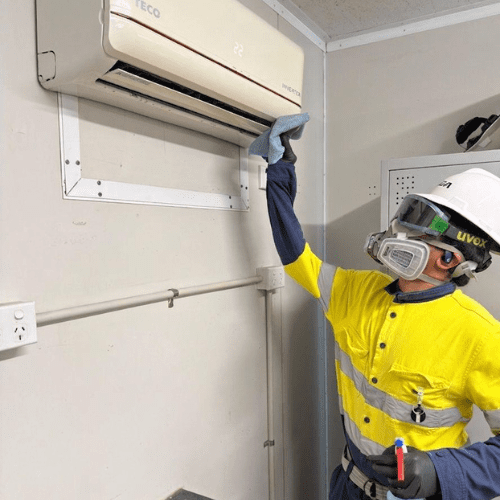
A site-specific risk assessment helps identify the real conditions of the workplace. That includes access points, traffic flow, slip risks, hazardous substances, machinery, confined spaces, shared work zones and any special cleaning restrictions. These details shape how the work should be done, when it should be done, and what controls need to be in place.
This planning stage is critical because assumptions create risk. A method that works safely in one facility may be unsuitable in another. Even sites within the same industry can differ in layout, staffing, equipment and exposure hazards.
What a tailored assessment should consider
A useful risk assessment goes beyond a simple checklist. It should consider:
- The type of facility and how it operates
- High-risk areas and restricted zones
- Safe chemical use and storage requirements
- Equipment suitability for the environment
- PPE requirements for each task
- Manual handling risks
- Timing of works around staff, visitors or production
- Emergency procedures and site-specific reporting needs
By working through these factors early, cleaning teams can align their methods with the site’s actual needs. That creates a safer system and a better service outcome from day one.
Generic safety procedures are not enough
Standard operating procedures have their place. They create a foundation. But they are not enough on their own.
A cleaning contractor may have sound general systems, but if those systems are not adapted to the site, they can miss critical hazards. That is where tailored protocols make the difference. They turn broad safety principles into practical steps that fit the workplace.
For example, an after-hours office clean may focus on safe access, electrical awareness, slip prevention and chemical handling in public-facing spaces. An industrial site may need additional controls around airborne particles, chemical exposure, washdown restrictions, lockout areas or contamination risks.
Both are cleaning environments. Neither should be approached in the same way.
Training turns safety plans into safe action
A safety protocol only works if people know how to apply it.
Training plays a direct role in service quality because it gives teams the practical knowledge to carry out work correctly on site. This includes more than a one-off induction. It requires ongoing instruction, supervision and refreshers that match the changing needs of the workplace.
Well-trained cleaners are better able to identify hazards, respond to unexpected issues and follow procedures with confidence. They also understand why certain controls matter, which improves compliance in day-to-day work.
What effective training should cover
Training should be relevant to the site and the task. Depending on the environment, this may include:
- Site induction requirements
- Safe use of chemicals and dilution controls
- PPE selection and correct use
- Equipment handling and maintenance checks
- Incident reporting procedures
- Hazard identification
- Emergency response
- Infection control or contamination prevention
- Working around sensitive equipment or active production areas
This kind of practical preparation reduces risk and supports better outcomes. It helps teams complete tasks safely without cutting corners, improvising or applying unsuitable methods.
Supervision matters too
Training is strongest when it is backed by active supervision.
New staff should not be expected to work independently before they are ready. On-site guidance, observation and competency checks help confirm that procedures are being followed properly. It also gives team leaders a chance to correct issues early, before they affect safety or service quality.
For customers, this creates more confidence in the contractor’s ability to maintain standards over time.
Industrial cleaning needs a higher level of control
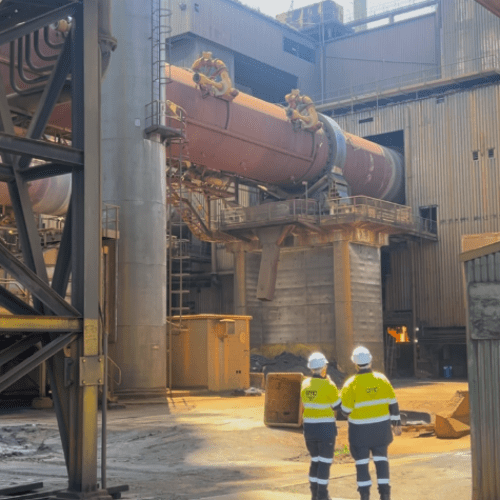
Industrial cleaning in New Zealand often involves more complex risks than standard commercial environments. These sites can contain hazardous chemicals, production equipment, heat, dust, moisture-sensitive materials or strict hygiene controls. In these settings, the margin for error is smaller.
That is why specialised safety measures are essential.
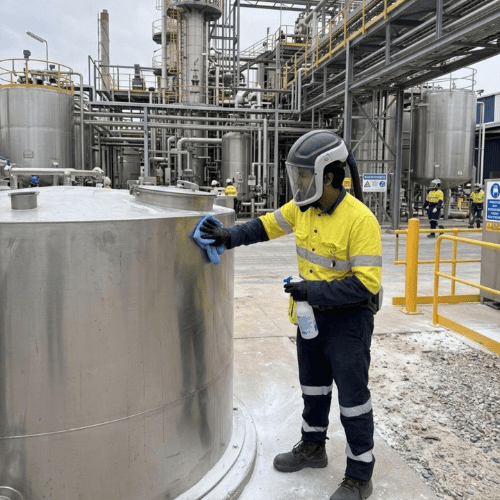
Example: cleaning in a specialised manufacturing environment
Take a manufacturing facility with chemical handling or sensitive production zones. A standard cleaning plan may not be safe in areas where moisture could trigger reactions, where fumes are present, or where certain products must never be introduced near active materials.
In these cases, the cleaning team may need to use:
- Air-purifying respirators for respiratory protection
- Chemical-resistant gloves and boots
- Eye protection and full-body protective clothing
- Portable decontamination or emergency wash equipment
- Approved cleaning agents suited to the material risk
- Controlled task sequencing to avoid cross-contamination
- Restricted access and permit-based procedures for certain areas
These are not extra steps for the sake of it. They are essential controls that protect people, the site and the integrity of the work. They also show why industrial cleaning should never rely on a generic method copied from a lower-risk environment.
Safety supports service quality in practical ways
There is a direct link between safe systems and better service delivery.
When risks are managed properly, teams can work with more control and fewer interruptions. Equipment is used correctly. Chemicals are matched to the surface and setting. Tasks are completed in the right order. Reporting is clearer. Problems are identified earlier.
That improves service in several ways.
1. More consistent outcomes. Tailored safety protocols reduce variation. Teams know what is expected on that site and how to deliver it properly. That makes the quality of work more stable over time.
2. Fewer incidents and disruptions. Safe work practices lower the chance of injury, spills, contamination events or damage to property and equipment. This means fewer operational setbacks for the customer.
3. Better compliance support. For many facilities, compliance is an everyday concern. Cleaning contractors need to work in line with site rules, health and safety obligations, and industry-specific controls. A contractor with strong safety systems is better placed to support those requirements.
4. Greater trust and accountability. When safety procedures are clear and reporting is consistent, customers have a better view of how their site is being managed. That transparency supports stronger working relationships and more confidence in service delivery.
Proactive risk management is better than reactive fixes
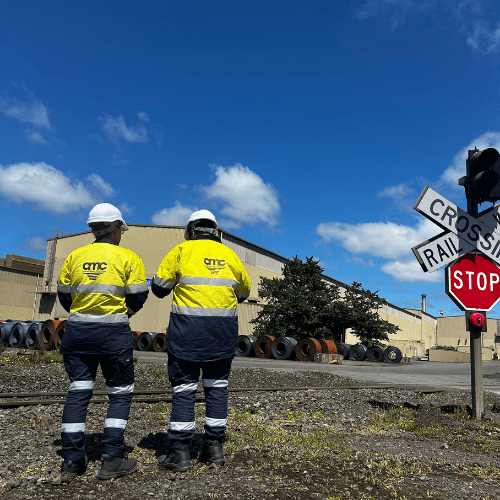 The best cleaning services do not wait for incidents to expose weaknesses. They work to prevent problems before they start.
Proactive risk management means reviewing the site regularly, identifying changes in the environment and adjusting protocols when needed. This may include updated chemical controls, revised work schedules, new equipment checks or retraining where site conditions have changed.
That approach is especially important on sites that evolve over time. A new production line, a layout change, an increase in foot traffic or a change in tenancy can alter the risk profile quickly. If the cleaning plan does not adapt, service quality can slip and safety exposure can rise.
Regular audits, documented processes and close operational oversight all help keep standards where they should be.
Compliance is part of doing the job properly
Compliance should not sit in a separate folder from the actual work. It should be visible in how the service is planned and delivered.
In Aotearoa, commercial cleaning contractors need to align their work with relevant health and safety duties, site procedures and safe work expectations. That includes proper hazard management, staff training, chemical handling, PPE use and incident response processes.
For customers, compliance is not just about avoiding issues. It is about choosing a contractor that can work responsibly within your environment. A contractor that takes compliance seriously is more likely to protect your people, your operations and your standards.
Why tailored protocols matter for different facility types
Different sectors demand different safety responses. That is one reason tailored cleaning protocols have become so important.
- Offices and commercial workplaces
In office settings, key risks may include slips, public access, electrical safety and cleaning around occupied areas. Quiet, controlled work and clear communication are often as important as the cleaning task itself.
- Industrial and manufacturing sites
These sites may require more advanced PPE, restricted access controls, chemical awareness and close coordination with production teams. Cleaning methods must suit operational risk, not just surface type.
- Education, healthcare and shared facilities
In these environments, infection prevention, touchpoint hygiene, safe product use and timing are critical. The right protocol helps protect both users of the space and the cleaning team delivering the work. Each of these settings needs a different level of planning. That is why a tailored approach leads to stronger results than a one-size-fits-all service model.
Better cleaning starts with a safer system
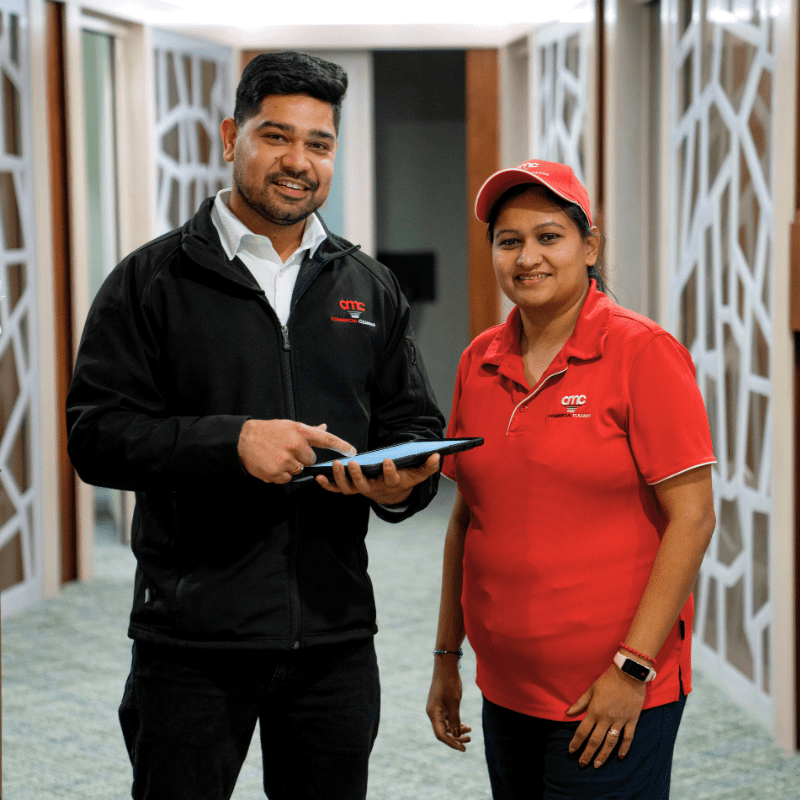 If a site is complex, the cleaning approach should reflect that complexity. If a site is sensitive, the cleaning process should show the same care. The standard of the outcome depends on the quality of the system behind it.
Tailored safety protocols help create that system. They support smarter planning, stronger training, better compliance and more reliable service delivery. They also give customers confidence that the contractor understands the environment and has the discipline to work within it properly.
For organisations across New Zealand, that matters more than ever. Expectations are higher. Sites are more varied. Risk is not something to leave to generic processes.
At AMC Commercial Cleaning, these principles are built into our daily operations. We assess site risks before work begins, align cleaning methods to the conditions on site, and support our teams with practical training and active supervision. That means our customers receive a service that is safer, more consistent and better suited to the way their workplace actually runs.
See more:
- Retail Cleaning Auckland
- Office Cleaning Auckland
- Industrial Cleaning Auckland
- School Cleaning Auckland
- Childcare Cleaning Auckland
- Medical Cleaning Auckland
- Aged Care Cleaning Auckland
- Commercial Cleaning Auckland

